How to Compare Basement Waterproofing Estimates With Confidence
@remingtontckk372

A basement waterproofing estimate can look straightforward at first glance. There is a price at the bottom, a short scope of work in the middle, and a promise somewhere near the top that the company can fix the problem. Then you start gathering more bids and the numbers swing wildly. One contractor quotes a few thousand dollars for crack injection. Another recommends an interior drain tile system and sump pump for three times that amount. A third insists the only real fix is exterior excavation.
That spread is exactly why homeowners get stuck. You are not comparing the same job from one estimate to the next, even when each company claims to be solving the same problem. Basement Waterproofing is not a single service. It is a category of solutions, and the right solution depends on where the water is entering, how the foundation was built, what condition the drainage systems are in, and how much risk you are willing to carry after the work is done.
https://lorenzodvyp088.readspirex.com/posts/how-to-identify-weak-points-in-your-basement-waterproofing-defenseThe strongest estimate is not always the cheapest, and the most expensive one is not automatically the most thorough. What matters is whether the contractor has correctly diagnosed the moisture problem and translated that diagnosis into a clear scope, realistic price, and accountable warranty. Once you know how to read estimates through that lens, the process gets much easier.
Start with the diagnosis, not the price
Before you compare totals, compare explanations. A good contractor should be able to tell you where the water is coming from, why it is showing up where it does, and what evidence supports that conclusion. If the estimate jumps straight to a system without explaining the source, that is a problem.
Basement water issues usually fall into a few broad categories. Liquid water can enter through wall cracks, floor cracks, cove joints where the wall and slab meet, tie rod holes, mortar joints, window wells, utility penetrations, or porous masonry walls under hydrostatic pressure. Moisture can also come from condensation, high indoor humidity, leaky plumbing, poor grading, clogged gutters, or downspouts that dump water against the house. Those issues can overlap. A damp basement may have one main cause and two secondary ones.
I have seen homeowners compare three estimates that seemed impossible to reconcile until the real issue came into focus. One company priced a dehumidifier and vapor barrier because they believed the problem was mostly humidity. Another proposed crack repair because they noticed one visible vertical crack. The third recommended an interior perimeter drainage system because they found staining and seepage at the wall-floor joint in several areas. Only one of those diagnoses accounted for all the symptoms the homeowner had been seeing after heavy rains.
If the diagnosis differs, the estimates will differ too. That does not mean anyone is dishonest. It means you need to slow down and figure out whose explanation best matches the evidence in your basement.
What a useful estimate should actually include
A basement waterproofing estimate should do more than name a product and list a price. It should tell you enough that another knowledgeable person could understand the work being proposed. Vague language often hides weak thinking, missing scope, or room for change orders later.
At a minimum, look for these essentials:
- A clear description of the water problem being addressed and where it was observed.
- The exact work to be performed, including linear footage, number of cracks, pump type, excavation depth, or wall area.
- What is included in setup, demolition, disposal, restoration, and cleanup.
- The warranty terms, including what is covered, what voids it, and whether it transfers to a future owner.
- The total cost, payment schedule, and any allowances or circumstances that could change the price.
If two estimates are missing half that information, do not assume you can fill in the blanks yourself. Ask for revised written scopes. Basement waterproofing jobs often become more expensive when a homeowner believed something was implied, while the contractor assumed it was excluded.
Apples-to-apples means matching scope, not matching price
Homeowners often ask, "Why is one estimate $4,500 and another $14,000?" Usually the answer is that the scope is not remotely the same.
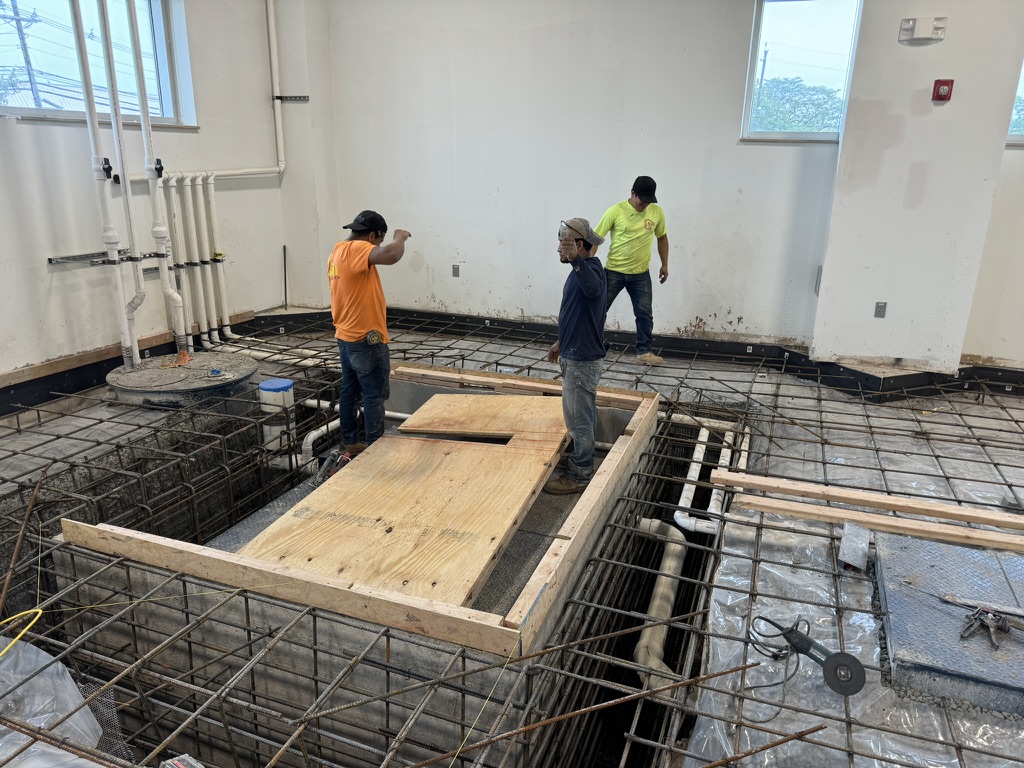
A crack injection estimate may cover one specific defect in a poured concrete wall. An interior drainage estimate may include jackhammering the slab along the perimeter, installing drainage channel and stone, tying into a sump basin, and replacing the concrete. An exterior waterproofing estimate may include excavation, membrane application, drainage board, footing drain replacement, and backfill. Each can be appropriate in the right context. Each carries a very different labor load and level of disruption.
The difficulty comes when contractors use similar language for different levels of work. One estimate may say "waterproof basement wall" and mean a quick surface coating. Another may use the same phrase while referring to excavation and membrane installation from grade to footing. The terms sound similar but the methods are worlds apart.
This is where dimensions matter. If one contractor prices "partial perimeter drainage" and another prices "full perimeter drainage," the total tells you nothing until you know how many feet each company included. If one bid includes one sump pump and another includes a primary pump plus battery backup, that difference affects both cost and long-term protection. If an exterior job includes restoring shrubs, walkway sections, and window wells while another excludes all landscaping repair, the lower estimate may not stay lower once the project ends.
Interior systems versus exterior systems
A lot of confusion around Basement Waterproofing estimates comes from a basic misunderstanding of how different systems work. Interior systems manage water after it reaches the foundation. Exterior systems try to stop water before it enters. One is not universally better than the other. The right choice depends on the structure, site conditions, failure points, budget, and your tolerance for excavation.
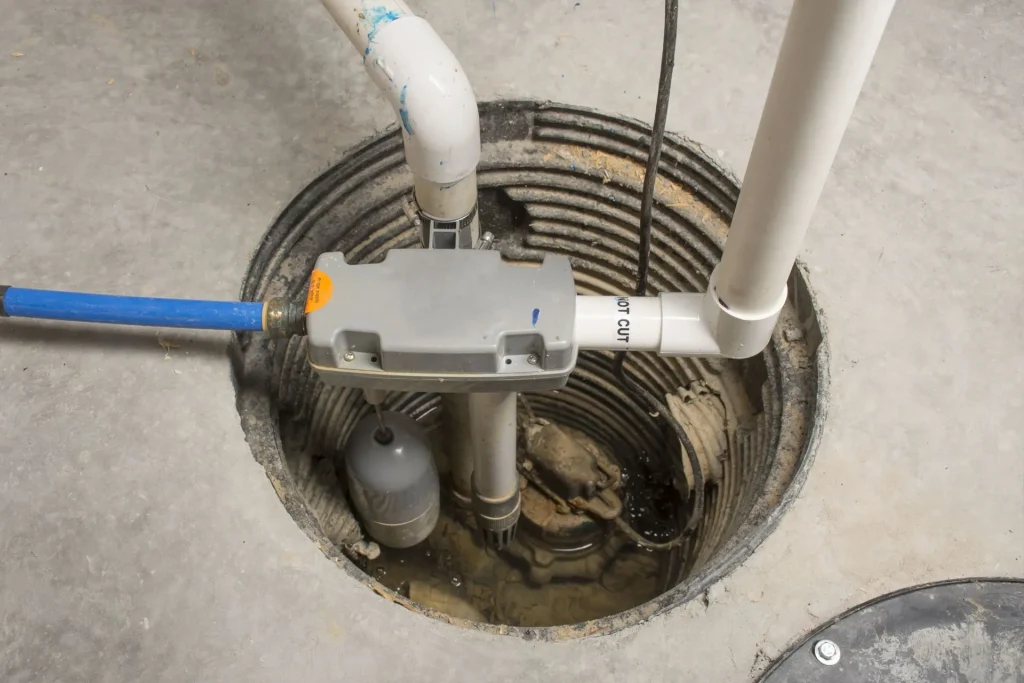
Interior drainage systems are common because they are effective for many seepage problems and usually cost less than full exterior excavation. They relieve hydrostatic pressure by collecting water at the footing or slab edge and sending it to a sump pump. For homes with recurring seepage at the cove joint or under the slab, this can be the most practical answer. But it does not seal the outside wall surface from contact with groundwater. If the estimate describes the system honestly, that is not a flaw. It is simply how the method works.
Exterior waterproofing is often the better choice when the issue involves deteriorated coating, blocked footing drains, significant wall cracking, or water entry through below-grade wall sections that should be protected from the outside. It can be the most complete repair, but it is more invasive and expensive. There may also be access problems. Decks, porches, additions, HVAC equipment, mature trees, and property lines can complicate excavation.
A reliable estimator should explain why they are recommending one path over another. If one company says exterior excavation is mandatory and another says it would be excessive, ask both to show you the evidence behind that judgment.
Read the warranty with a skeptical eye
Warranties in waterproofing deserve close attention because they are often used as a sales tool. "Lifetime warranty" sounds reassuring, but the value depends entirely on what the warranty covers and whether the company is likely to honor it years from now.
Some warranties cover water seepage only in the repaired area. Others cover system failure, pump replacement for a limited period, or service visits under specific conditions. Some are transferable to a new owner for a fee, which can matter if you may sell the home. Many have exclusions for foundation movement, plumbing leaks, power outages, frozen discharge lines, or conditions outside the installed system's scope.
I have read warranties that sounded generous until you noticed that they applied only if the homeowner maintained a service plan, used the contractor for all future modifications, and reported any issue within a narrow time frame. I have also seen simple, plainly written warranties that were far more valuable because they clearly stated the contractor would return and correct seepage related to the installed system at no additional labor cost.
A warranty is only as good as the company behind it. A 25-year guarantee from a contractor with a stable local presence can be worth more than a flashy lifetime warranty from a business that changes names every few years.
Look beyond the big number
An estimate is not just a price. It is a bundle of labor, materials, logistics, overhead, risk, and after-service support. Comparing only the bottom line invites mistakes.
One contractor may carry higher insurance, use better pumps, pay experienced crews, and include permit handling and post-job cleanup. Another may quote lower because they use minimal documentation, cheaper components, and a very lean crew. Those decisions affect performance and homeowner experience, even if the visible result on day one looks similar.
This does not mean the high bid is always justified. Sometimes the top price reflects aggressive sales commissions, expensive advertising, or oversized systems that are unnecessary for the actual problem. The point is to understand where the number comes from. Ask what brand and model of pump will be installed, whether the discharge line is included, how the slab patch will be finished, and what happens if hidden conditions are found after work begins.
When contractors answer those questions directly, you learn a lot about how they run projects.
Questions worth asking before you sign
When a homeowner feels rushed, important details get missed. A short conversation can expose whether an estimate is thorough or flimsy.
Here are a few questions that often sharpen the comparison:
- What evidence led you to this diagnosis rather than another one?
- What parts of the work are excluded from this price?
- If you open the area and find a worse condition, how would additional costs be handled?
- Who performs the work, company employees or subcontractors?
- What maintenance does this system require over the next five years?
You do not need a scripted interrogation. You just need enough specificity to tell whether the contractor is thinking clearly and communicating honestly.
Watch for shortcuts dressed up as certainty
Basement waterproofing attracts strong opinions. Some contractors believe every wet basement needs a full interior system. Others insist exterior excavation is the only legitimate repair. In practice, both positions can become oversimplified sales habits.
The contractor who shows the best judgment is usually the one who can explain trade-offs. Maybe the basement has one isolated non-structural crack and no signs of broader seepage, in which case targeted crack injection may be sensible. Maybe the house has chronic seepage along multiple walls after every heavy rain, in which case a localized patch is unlikely to solve the larger issue. Maybe the source is not the basement wall at all, but overflowing gutters saturating the soil at one corner of the house.
Be wary of absolute statements that ignore context. "This is the only way to do it" is often a red flag unless the contractor can back it up with clear evidence from your home.
Red flags inside the estimate
Most bad estimates reveal themselves in small ways. Not always through obvious dishonesty, but through vagueness, pressure, or missing details that matter later.
Common warning signs include:
- the scope is generic and does not mention your specific basement conditions
- the contractor cannot explain why this method fits your house
- the warranty language is broad in conversation but narrow in writing
- the price is good only if you sign immediately
- there is no mention of cleanup, permits, restoration, or disposal
None of those red flags automatically disqualifies a company, but they should slow you down. Basement waterproofing mistakes are costly because the work often gets buried behind finished walls, replaced concrete, or backfill.
Why site conditions can make two honest estimates very different
Every basement has its own complications, and those complications often drive price more than homeowners expect. A narrow urban lot with no machine access creates a different excavation job than a suburban yard with open access. A finished basement requires dust control, protection of flooring, and possible trim removal before interior work starts. A fieldstone foundation behaves differently than poured concrete. A high water table increases pumping needs during exterior excavation and can change the design of the system.
Even discharge line routing can affect price. If the sump discharge can exit straight through the rim joist to daylight, that is one situation. If it must be routed across a finished ceiling, through a utility room, and out to a distant pop-up emitter or storm connection where code allows, the labor changes.
One homeowner I spoke with was convinced a company was overcharging because its estimate was several thousand dollars above the others. Then we noticed that this was the only contractor who had accounted for removing and reinstalling a section of custom deck to access the foundation wall. The other estimates were lower because they had quietly ignored a major obstacle.
This is why line-item detail matters. It helps you see whether one company has actually thought through the job.
The sales process tells you almost as much as the paperwork
Good waterproofing companies do not need to rely on confusion. Their inspectors or estimators ask practical questions, take measurements, look for patterns, and explain options in plain language. They do not have to dramatize the problem to make the sale.
Pay attention to how the visit goes. Did the contractor inspect both inside and outside? Did they ask when the problem occurs, where the water appears first, whether the basement has ever flooded, and whether there have been gutter, grading, or plumbing changes? Did they notice things like downspout discharge, yard slope, or window well condition? Or did they spend ten minutes in the basement and jump right into financing options?
A disciplined inspection does not guarantee a perfect estimate, but a sloppy inspection almost guarantees a weak one.
Financing, allowances, and change orders
The monthly payment can distract you from the actual contract. Basement waterproofing companies often offer financing, and for some homeowners that is useful. But compare the project cost first, then the financing terms. A manageable monthly payment does not make an inflated scope a good deal.
Also look for allowances and undefined contingencies. If the estimate mentions possible extra charges for concrete thickness, hidden obstructions, buried utilities, or inaccessible wall sections, ask how those are typically handled. There is nothing inherently wrong with contingent pricing when site conditions are unknown, but it should be transparent. You want to know what is likely, what is merely possible, and who decides when extra work becomes necessary.
The cleaner the contract language, the fewer surprises later.
Matching the solution to your plans for the house
Confidence comes easier when the estimate fits not only the basement problem, but your broader goals. A homeowner finishing the basement for living space may reasonably choose a more comprehensive system, better backup protection, and stronger moisture control than someone who uses the space for storage and has only occasional minor seepage. A seller preparing to list the home may prioritize transferable warranty value and documented repairs. A long-term owner in an older home may care more about durability and service access than about the lowest first cost.
That is not cutting corners. It is practical decision-making. The best estimate is the one that solves the real problem at the right level for your plans, not the one that wins a generic price comparison.
A simple way to make the final decision
Once you have narrowed the field, stop staring at the totals and compare the bids across three filters: diagnosis, scope, and accountability. Did the contractor identify the problem in a way that matches the evidence? Does the scope clearly describe what will be done and what is excluded? Does the company stand behind the work in writing with a believable warranty and a stable presence?
If one estimate is slightly higher but answers those three questions far better than the others, that premium is often justified. If two estimates propose similar methods and warranty coverage, then price can play a larger role. If a lower bid seems attractive but leaves basic questions unanswered, the risk usually outweighs the savings.
Homeowners rarely regret taking an extra few days to clarify an estimate. They often regret signing the one that sounded confident but never became specific. Basement waterproofing is too important for guesswork. Water has a way of finding every weak assumption in a contract.
Confidence comes from understanding what you are buying, why it should work, and who will be responsible if it does not. Once you compare estimates on those terms, the right choice tends to stand out.
ARD Waterproofing
98 Smull Ave, West Caldwell, NJ 07006, United States
+1 917-691-8411
FAQ About Basement Waterproofing
Can you 100% Waterproof a Basement in West Caldwell?
A properly designed system can substantially reduce basement water intrusion, but no method can promise protection against every flood, equipment failure, or future change in site conditions. The first step is identifying whether moisture comes from surface runoff, groundwater, plumbing, or condensation. Solutions may include grading and gutter improvements, drainage, foundation repairs, and a sump system. Review the specific coverage and exclusions of any written warranty.
How much does it cost to professionally waterproof a basement in NJ?
There is no single price that fits every basement. Cost depends on the cause of the leak, the area needing work, access, excavation requirements, drainage design, sump equipment, and restoration of disturbed finishes or landscaping. Request an on-site assessment and an itemized written estimate that explains the scope, exclusions, and maintenance requirements before comparing proposals.
How long does foundation waterproofing last in West Caldwell, NJ?
Service life varies with the waterproofing materials, installation quality, soil and water conditions, and maintenance. Drainage components and pumps may require servicing or replacement even when other parts of the system remain functional. Keep gutters, drainage outlets, and sump equipment maintained, and have recurring leaks or changes in foundation condition assessed. Ask for product-specific expectations and written warranty terms rather than relying on one lifespan for the entire system.